
My Sushi Mindset
In my vision, sushi isn't "cooked"—it's engineered. To succeed at home, you must shift from a cook’s mindset to an assembly lead. Timing is everything but the secret is in the preliminary flow. Once rice is ready and the mise en place is set, your rolls are already half-finished.
›Introduction
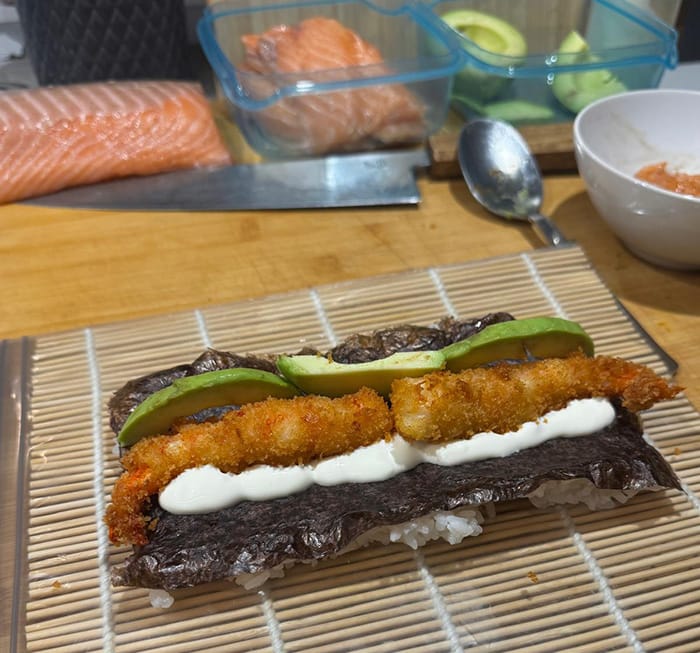
Making sushi, in particular Uramaki (my favourite) is a high-stakes assembly that offers little room for error.
In my vision, success requires shifting from a "home cook" mindset to a precision-focused one. Expect a challenge; mastery isn't immediate, but a product of patience and learning from every imperfect roll.
More than almost any other preparation, sushi demands an exceptionally clean working environment and you will not always have all the time to switch between handling food and cleaning up. This is why making sushi requires a high precision and economy of movements and operations.
It is essential to understand the flow of operations before you begin. While the learning curve is steep, once you secure the right tools and internalize the techniques, the process becomes second nature.
Stay positive and embrace the trial and error—at its heart, making sushi at home should be as rewarding as it is fun.
The Sushi Setup
Sushi is not a preparation that tolerates improvisation well. Before even touching the rice, your station, tools, and workflow should already be set. A disorganized setup will quickly compound into mistakes once the rolling and cutting phases begin.
Cutting Board and Cloths (essential)
A good wooden cutting board should remain nearly spotless throughout the process, so keep cloths and cleaning materials constantly available.
Even a single grain of rice in the wrong place can trigger a chain reaction of sticking, tearing, contamination, and general disorder across the entire station.
Knives (essential)
I work primarily with Japanese knives. High-carbon steel, edge retention, and sharpening before each session are all factors that directly affect the final result. This is understandably one of the major entry barriers for many people, as proper knives can easily cost several hundred euros.
At minimum, two knives are essential:
- a Yanagiba — the knife I personally use — or alternatively a Sujihiki, dedicated to slicing fish cleanly and precisely;
- a solid Gyuto or Santoku, used as general-purpose kitchen knives.
For more information I will soon be a dedicated article, providing a deep dive into the world of Japanese knives.
Your Hands / Tezu (essential)
You will often need to transition immediately from shaping rolls to handling knives. This is why you need to prepare "Tezu" in advance.
"Tezu" is an essential mixture of water and rice vinegar that is made to keep your hands moisten in order to prevent rice from sticking to your fingers while you handle it.
For this reason, always keep a bowl of water nearby with Tezu and make sure your hands are clean and free from starch residues before returning to slicing tasks. Clean transitions between these operations make a substantial difference in both precision and hygiene.
Bamboo Mat (essential)
A bamboo rolling mat is indispensable. Without one, forming compact and consistent rolls is almost impossible. Having a second mat available is often useful during longer preparation sessions.
It is a very cheap tool you will easily find at online shops.
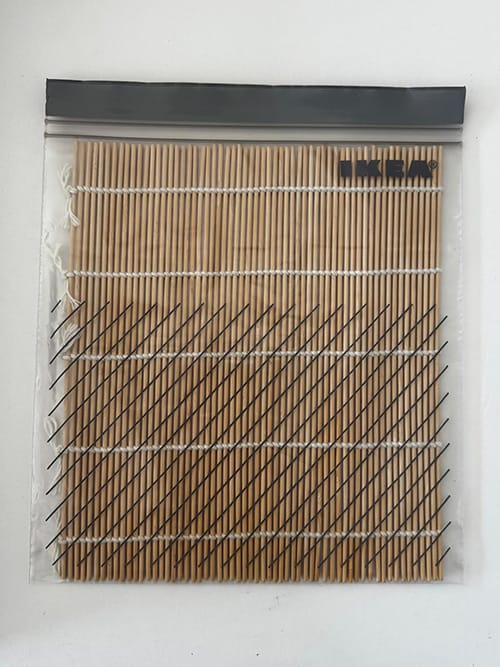
Many people, wrap it in plastic to prevent it from getting dirty when in contact with the rice and fats. This trick makes it easier to maintain it and to quickly clean it up.
I use resealable plastic bags (Ikea sells great ones of all sizes) to protect it.
Squeeze Bottles (recommended)
Small squeeze bottles are not essential, but they quickly become difficult to work without once you start preparing rolls regularly. They allow you to store sauces in advance, control portions precisely, and apply clean lines or fine decoration directly onto the sushi.
They are especially useful for teriyaki, spicy mayo, reduced sauces, infused oils, or any topping that benefits from controlled application rather than spooning.
In practice, they also help keep the station cleaner and faster.

Blowtorch (recommended)
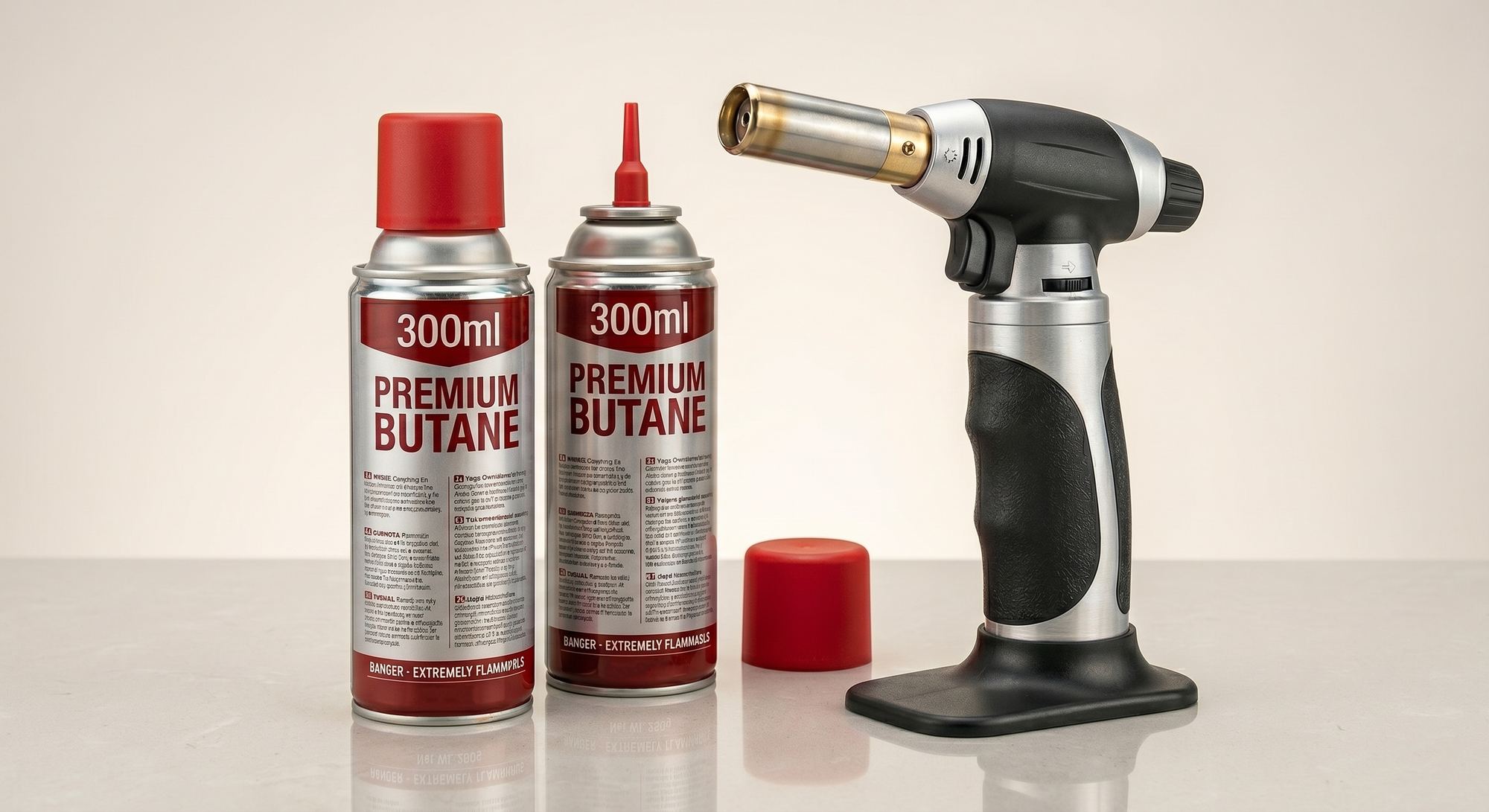
For several rolls I also use a culinary torch, a tool which is usually absent from most domestic kitchens. Fortunately, it is far less expensive than many expect. Having one is not always a must but it is highly recommended. Keep spare gas cartridges nearby as well.
Cling Film (recommended)
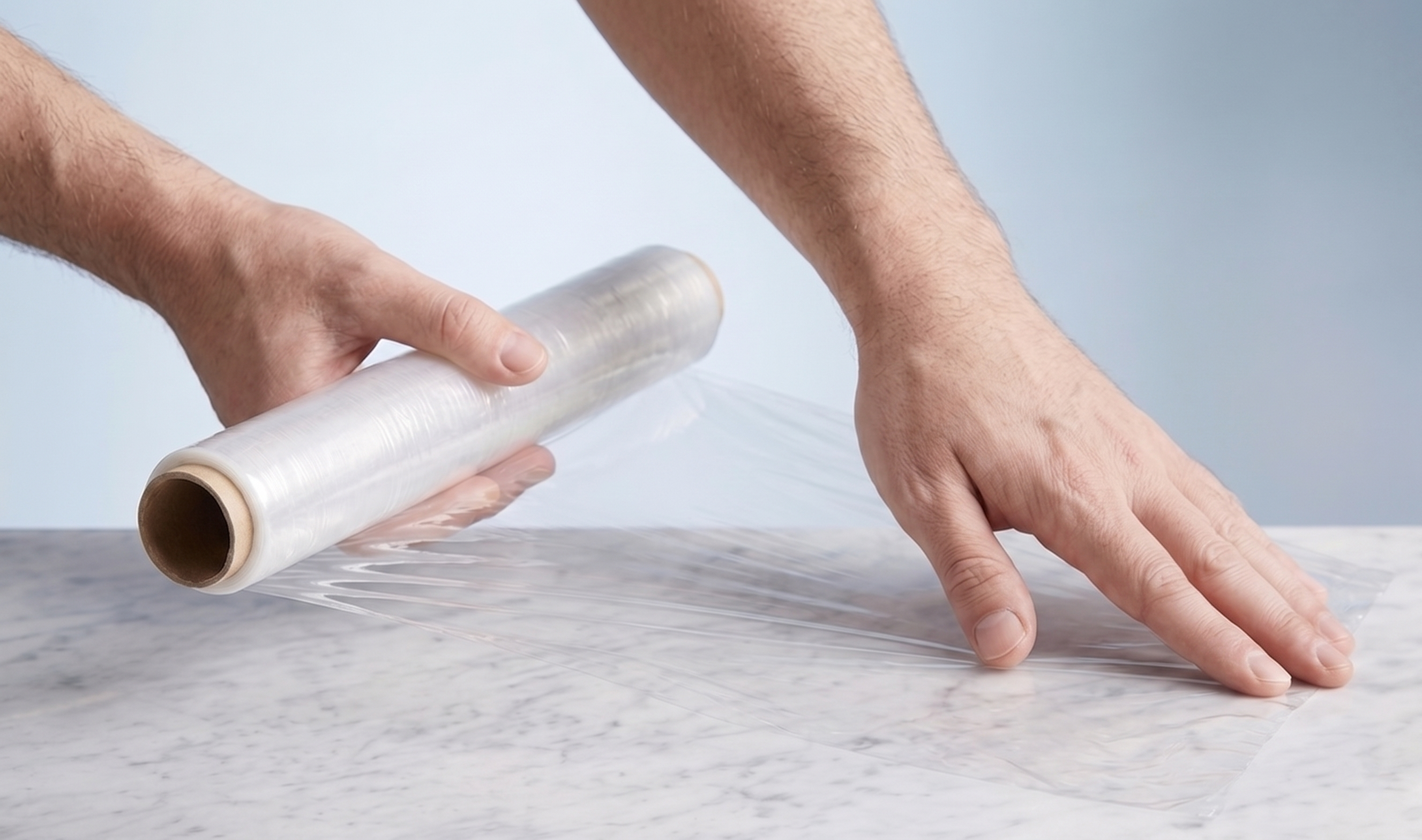
Always keep cling film within reach, and avoid starting with a nearly finished roll. It is often used during shaping, compacting, and handling delicate toppings.
The Art of Assembly: preparation is everything
Before starting, it is important to understand that crafting sushi is less about "cooking" and more about precision assembly. The quality of your final roll depends entirely on the work done before you even touch the bamboo mat.
I look at my Uramaki recipes as a final execution stage. The real making happens upfront. Before starting, ensure your Mise en Place is complete.
Rice
Your sushi rice should be prepared, seasoned, and cooled to room temperature. For the best consistency, use it within 4 hours and do not store it in metal bowls: it is generally acceptable to keep it in the rice cooker.
Fillings
All proteins, toppings, sauces and condiments must be ready. This means:
- Fish is sliced and kept fresh.
- Tempura is fried and does not wait too long before being used.
- Nori seaweed sheets are cut and stacked in an uncontaminated container. It is important to keep them as dry as possible.
- Fruits and Vegetables are already cut to size.
- Sauces and condiments are ready and at hand
The Goal: The assembly process should be swift. By having every element prepared in advance, you minimize the time the seaweed and rice spend exposed to the air, ensuring you can serve and enjoy your sushi immediately while the textures and flavors are at their peak.

This article and its original photography are licensed under CC BY-NC-ND 4.0 International . You may share this content with attribution, but commercial use or derivative adaptations are strictly prohibited.