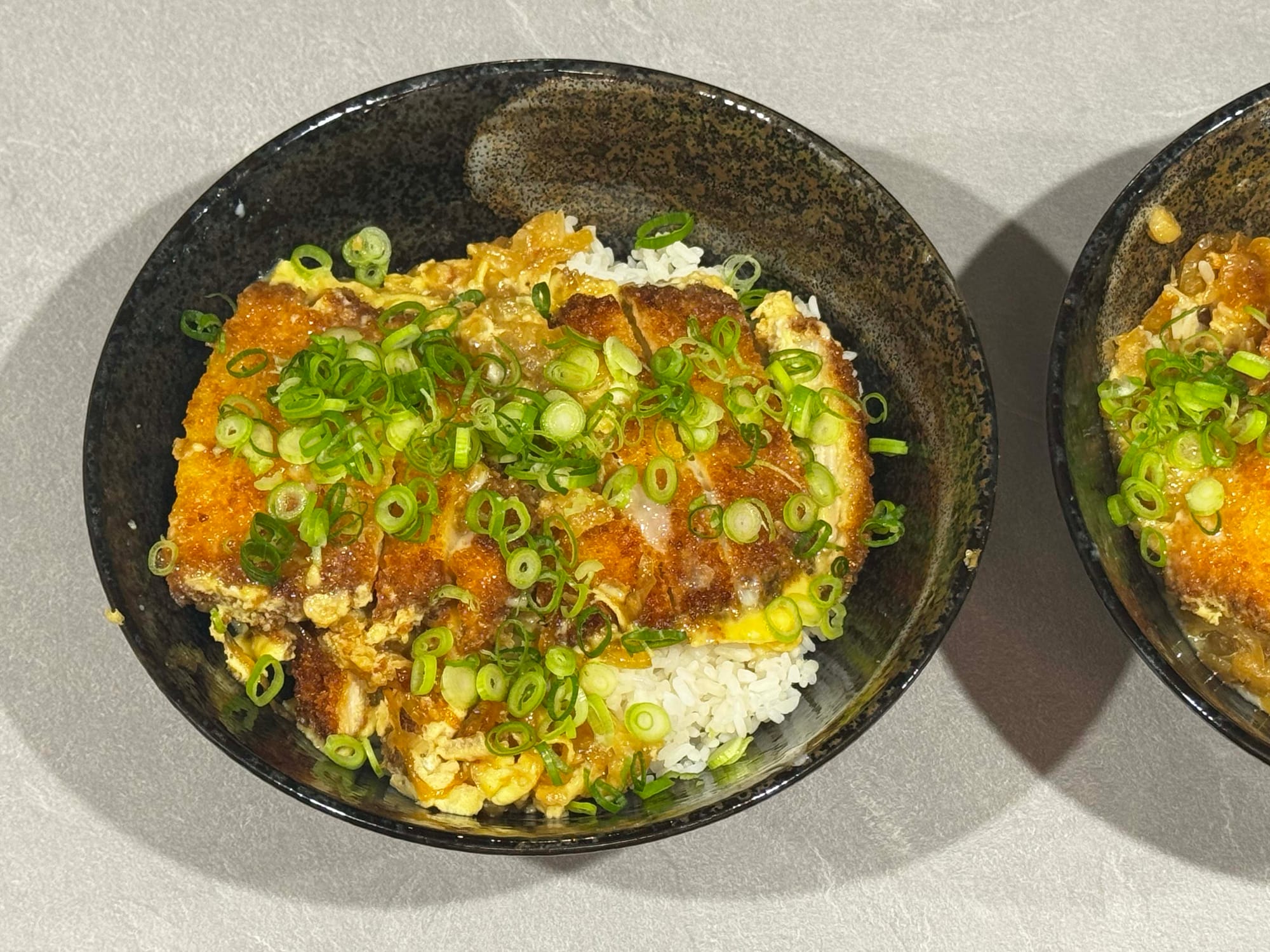
Katsudon
Crispy pork cutlet in rich, savory-sweet dashi stock with delicate eggs over fluffy rice—katsudon is a true classic of Japanese home cooking. This iconic donburi fills your kitchen with the aroma of an authentic izakaya. It is soul-warming comfort food and one of my absolute favorites.
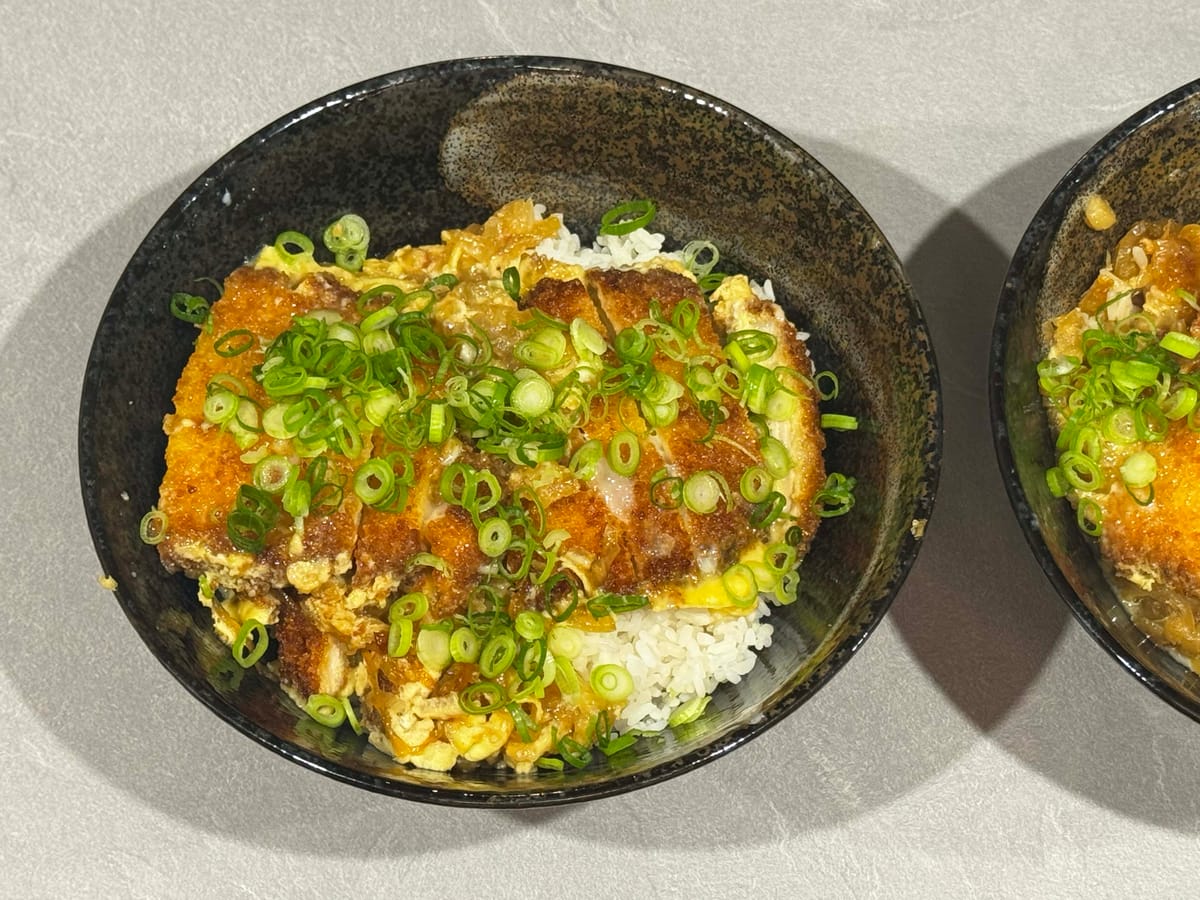
Katsudon takes its name from two Japanese culinary staples: "Katsu" (short for tonkatsu, a breaded and fried pork cutlet) and "-don" (short for donburi, a traditional rice bowl dish).
Together, the name simply translates to a pork cutlet rice bowl—crispy cutlet simmered with onions and egg in a savory dashi stock, served over hot steamed rice. A dish as simple as it is delicious!
There are plenty of recipes on the internet for making the perfect Katsudon. I have learned to make it from several sources over time, and here I want to document my definitive way of making it.
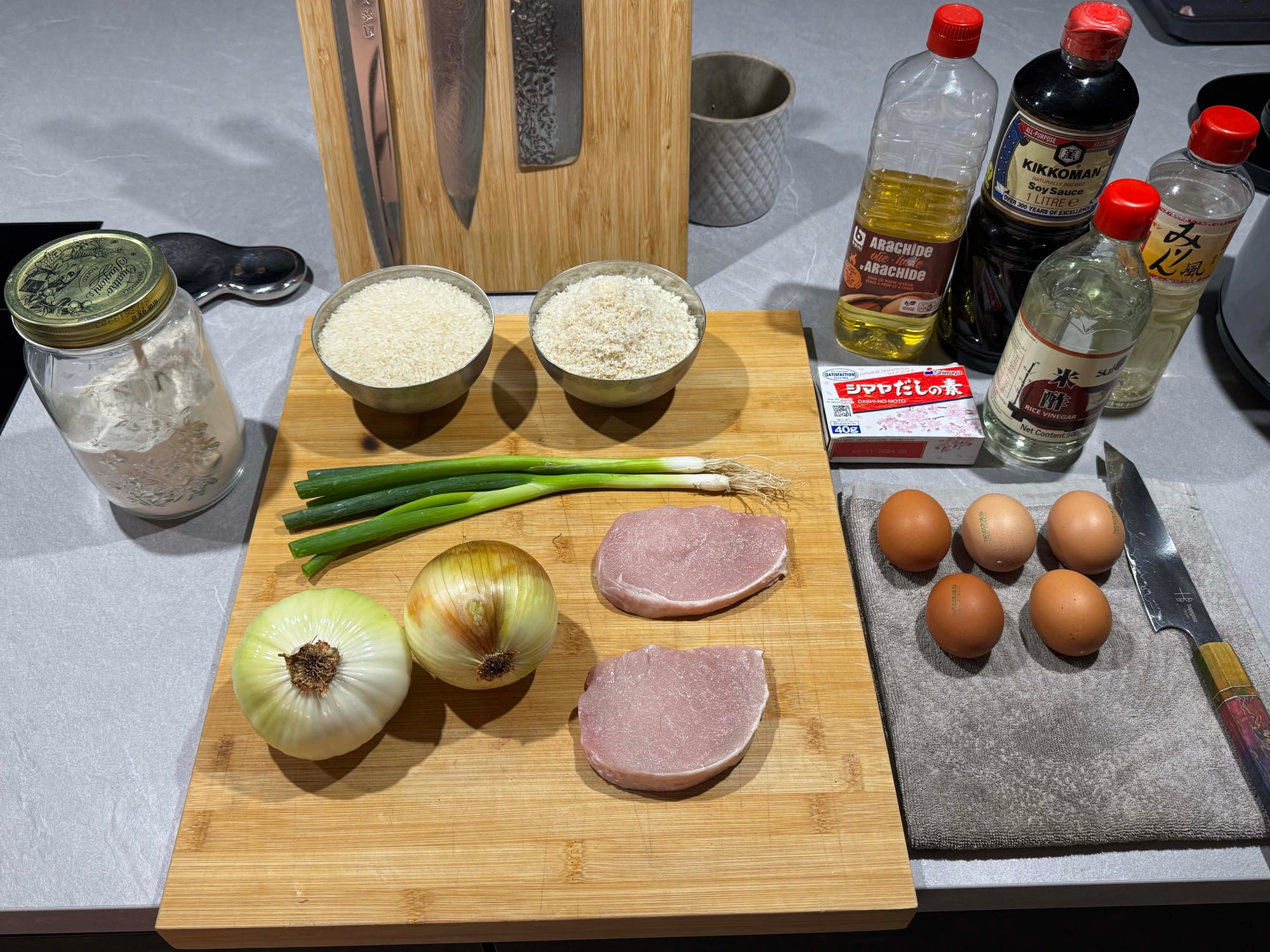
Ingredients (for 4 people)
- Pork tenderloin (300 g)
- Onions (2 big)
- 2 Scallions / Green onion
- Sushi rice (400 g)
- Eggs (7)
- Panko
- Dashi Stock
- Soy Sauce
- Mirin
- Rice Sushi Vinegar
- Seed Oil
- Flour
- Brown sugar
Preparations
Preparation can be tricky if you need to get everything ready at once, but it can be made easy because Dashi, Rice and Tonkatsu can be made ahead of time.
A rice cooker and a non-stick pan are highly recommended for this recipe if you want to get the best results.
1. Dashi Stock
Preparing dashi stock from scratch takes some effort.
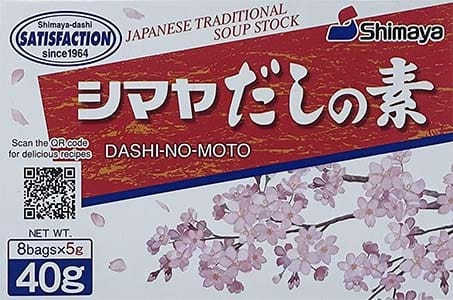
Fortunately, the market has many instant dashi stocks available (for all pockets) that taste great. I am happy with the Shimaya Dashi-No-Moto (picture below), but I am sure many others will work just fine too, if not better.
- Boil 750 ml of water in a pot.
- Pour in the dashi stock and let boil for 5 more minutes.
- Lower the heat and keep warm for later.
2. Cooking Rice
Cook 400 g of sushi rice as explained in the recipe linked below.
You can prepare this in advance and keep in your rice cooker warm.
 Luca Mennoia

3. Breading Tonkatsu
Prep Work
This task can easily become messy, so I first do some preparation work.
- Prep the Pork: Trim any excess outer fat from the pork chops. If your chops are thicker than 1 cm, butterfly or slice them horizontally through the middle to yield two thinner cutlets per piece.
- Set up the station: Set out three shallow dishes and one resting plate side-by-side in assembly-line order:
- dish 1: flour
- bowl: 3 eggs, beaten well (use a bowl wide enough to submerge the cutlets easily)
- dish 2: Panko breadcrumbs
- dish 3 (Plate): Set aside for holding the breaded cutlets before frying
Double-Breading Steps
To ensure a thick, extra-crispy crust that holds up to the simmering broth, use a double-breading process:
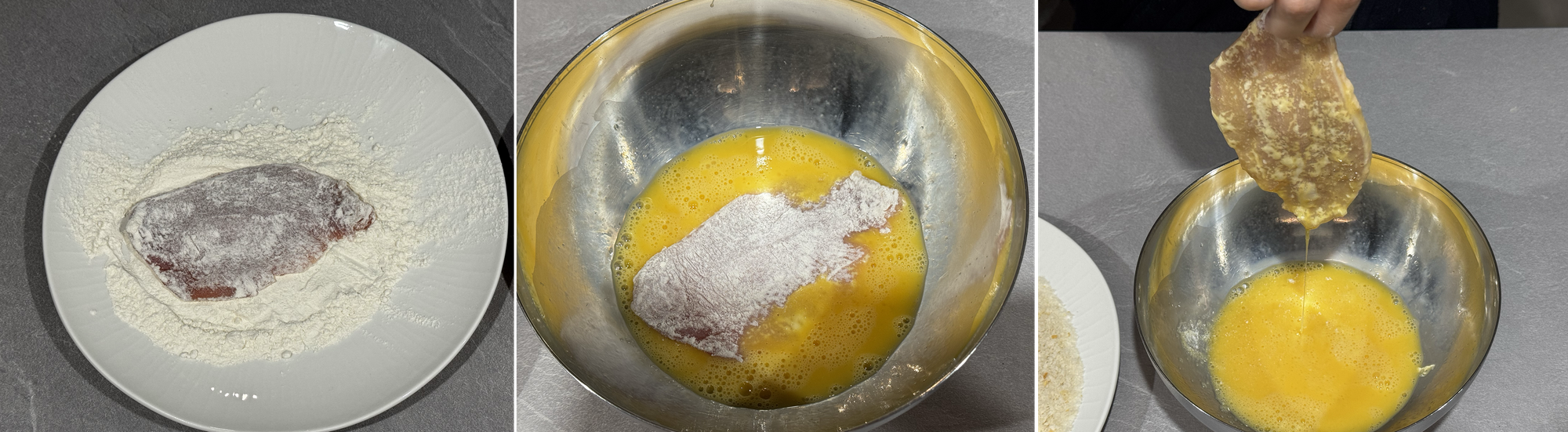
- Flour: Coat the cutlet evenly in flour, lightly shaking off any excess.
- Egg (1st Pass): Dip the cutlet into the beaten egg, ensuring complete coverage.
- Panko (1st Pass): Press firmly into Panko so the breadcrumbs adhere to all sides.
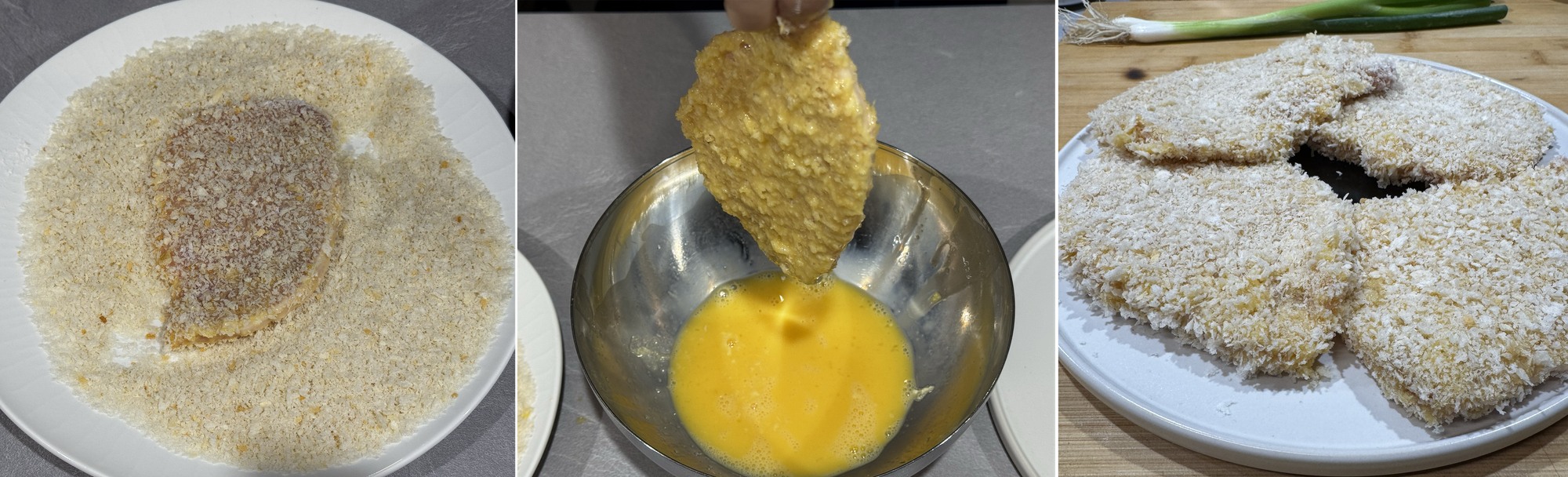
- Egg (2nd Pass): Submerge the breaded cutlet back into the egg bowl a second time.
- Panko (2nd Pass): Coat in Panko once more, pressing firmly to form a tight, uniform outer crust.
- Rest: Transfer the finished cutlet to your resting plate and repeat the sequence for the remaining pieces.
4. Cooking
Onion & Broth Reduction
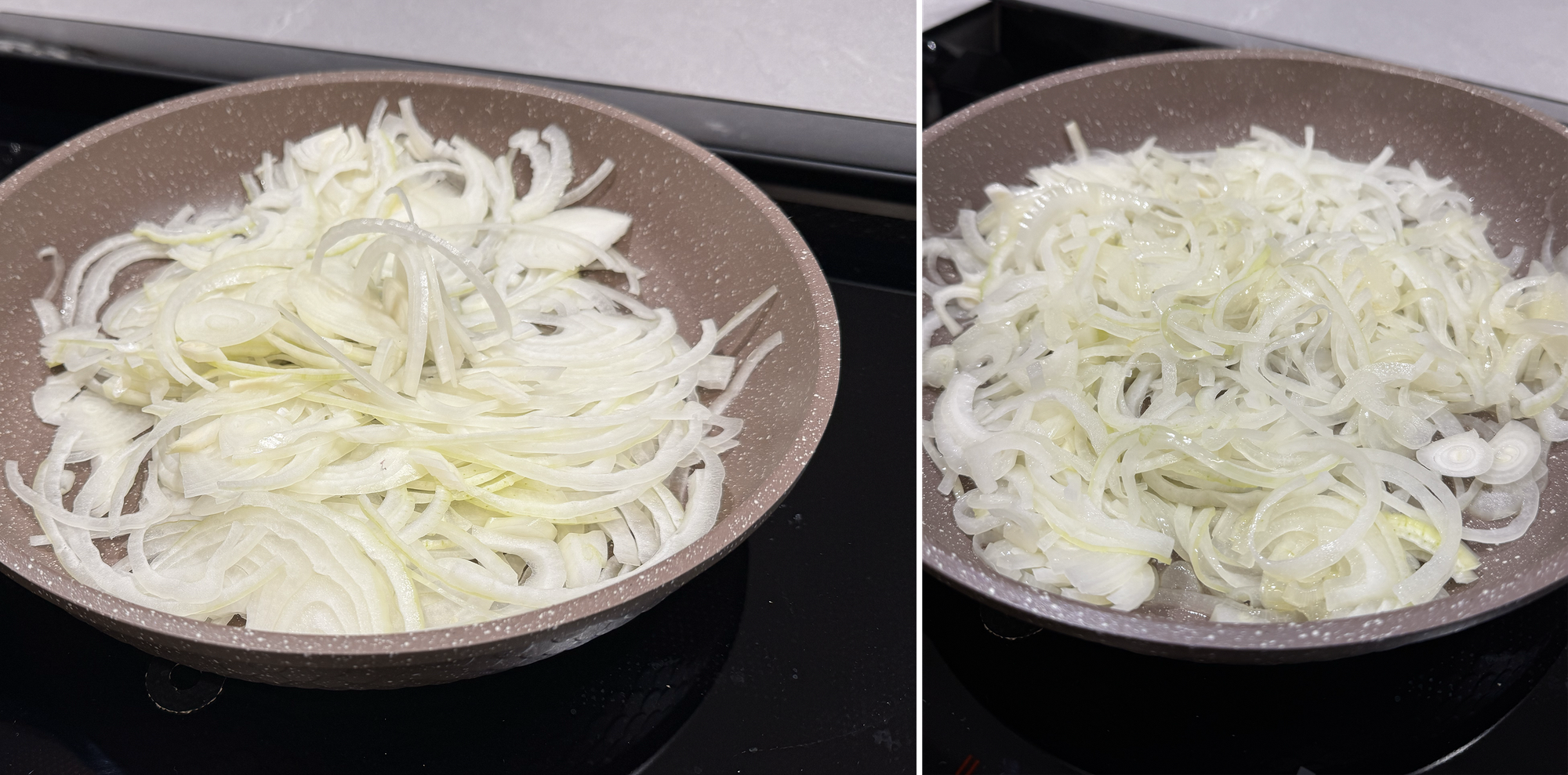
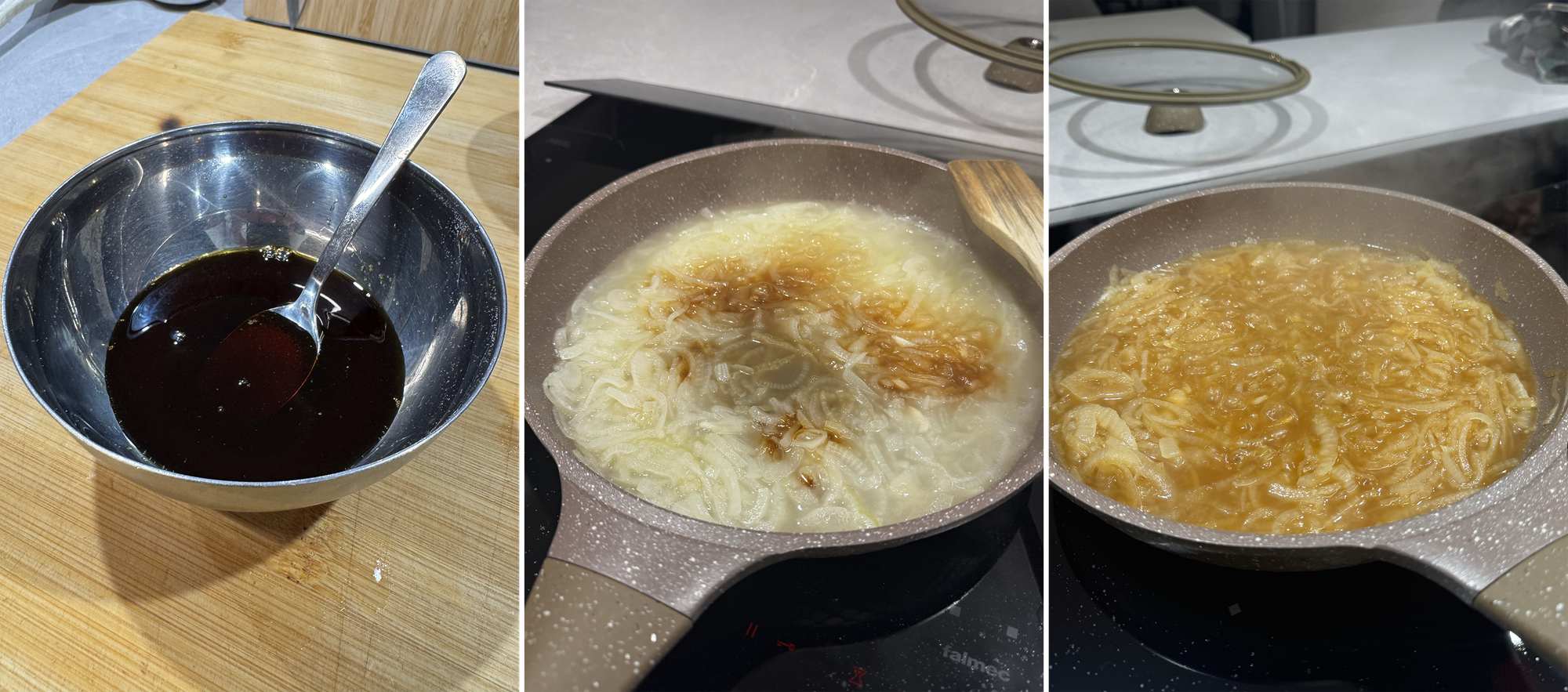
- Sweat Onions: Thinly julienne the onions and sweat them gently in a splash of neutral oil over medium-low heat until translucent and quasi-soft (with closed lid).
- Dashi Infusion: Cover the onions with warm dashi, bring to a boil, and reduce until the liquid nearly evaporates, locking the dashi flavor into the onions.
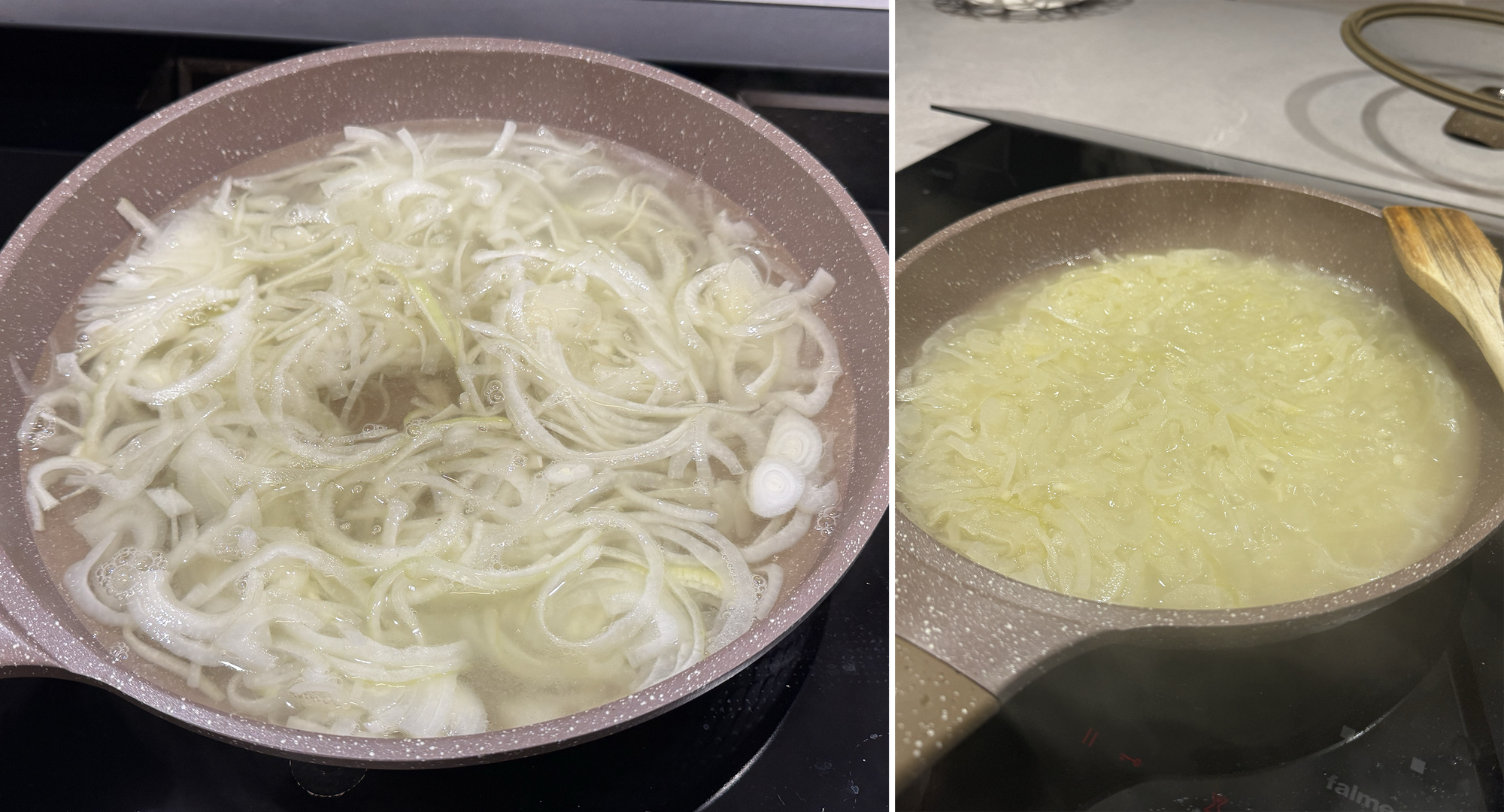
- Tare Glaze: Add the mixed tare (3 tbsp mirin, 2 tbsp soy sauce, 2 tsp brown sugar) and stir until reduced to a shiny glaze with only a tiny splash of liquid remaining.
Deep-Frying Tonkatsu
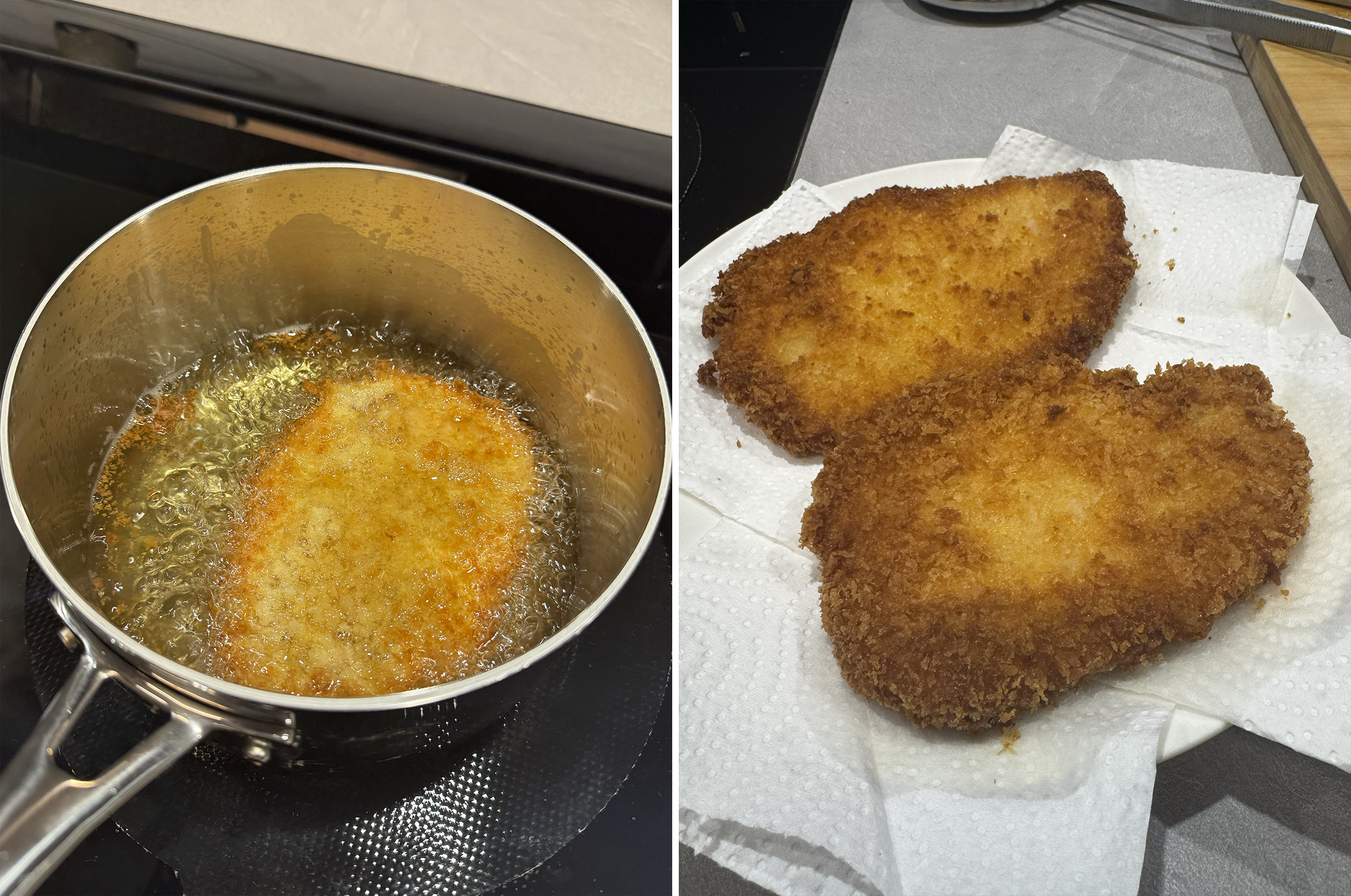
- Deep-fry the double-breaded cutlets in seed oil at 170°C–180°C until golden-brown.
- Transfer to paper towels to absorb excess oil.
Egg Finish
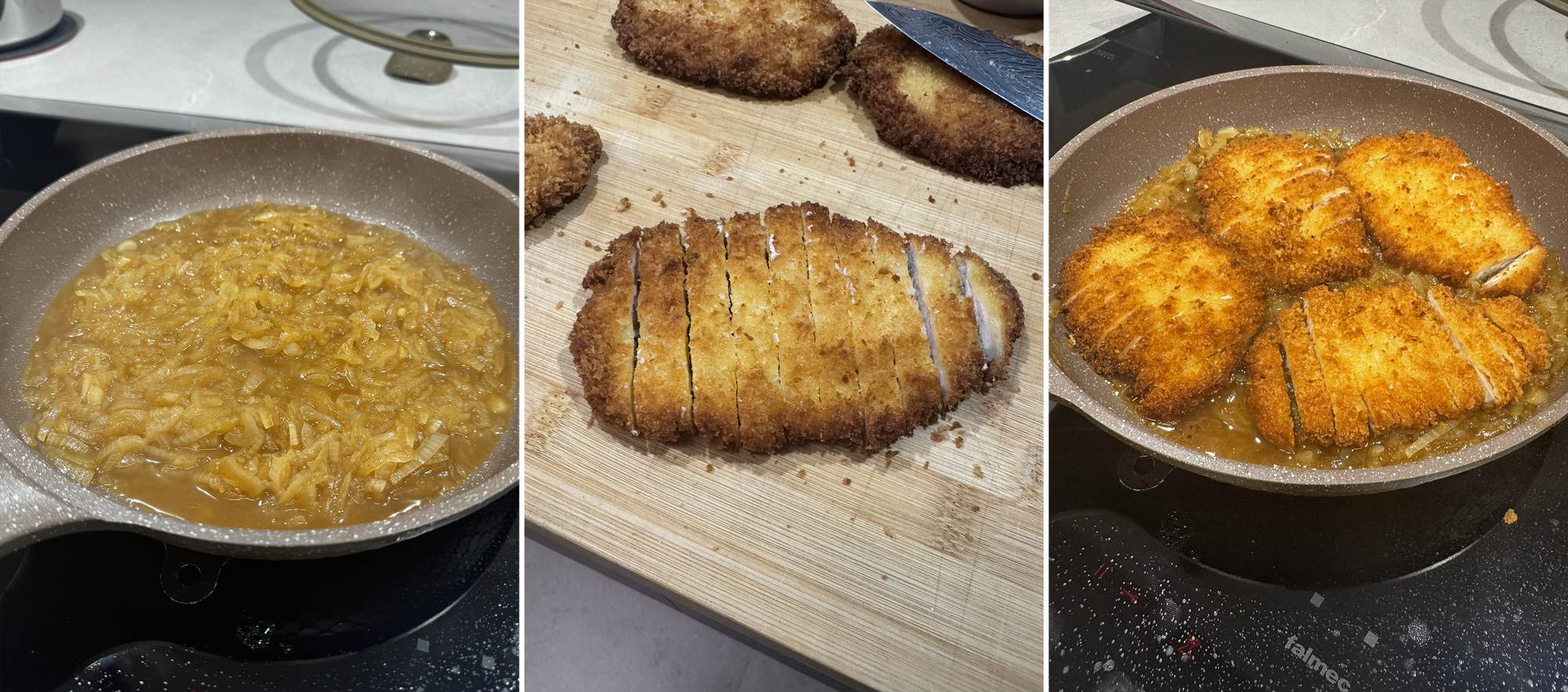
- Slice & Transfer: Slice each fried cutlet into strips, keeping the slices neatly assembled. Using the flat side of your knife, gently slide each intact cutlet directly onto the bed of onions in the pan.
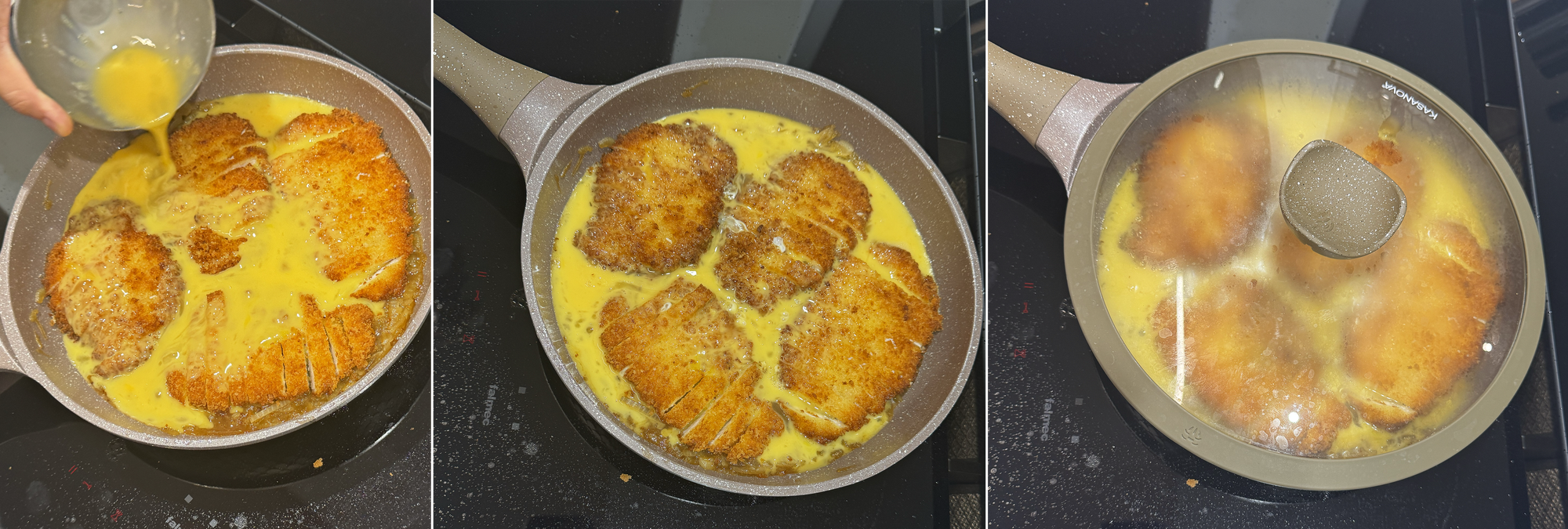
- Egg Pour: Whisk 4 eggs (1 per cutlet) and pour evenly over the meat and onions.
- Gently Set: Cook over low heat until the egg is soft-set—firm enough to hold together, yet creamy and not fully solid. Turn off the heat immediately.
5. Plating
- Slice green onions into fine, thin rings and set aside for the final touch.
- Fill your serving bowls with a warm base of rice.
- Using a spatula, cut around each cutlet section in the pan. Lift the entire stack—the tender onions, fried cutlet, and soft-set eggs together as one piece—and gently lay it over the bed of rice.
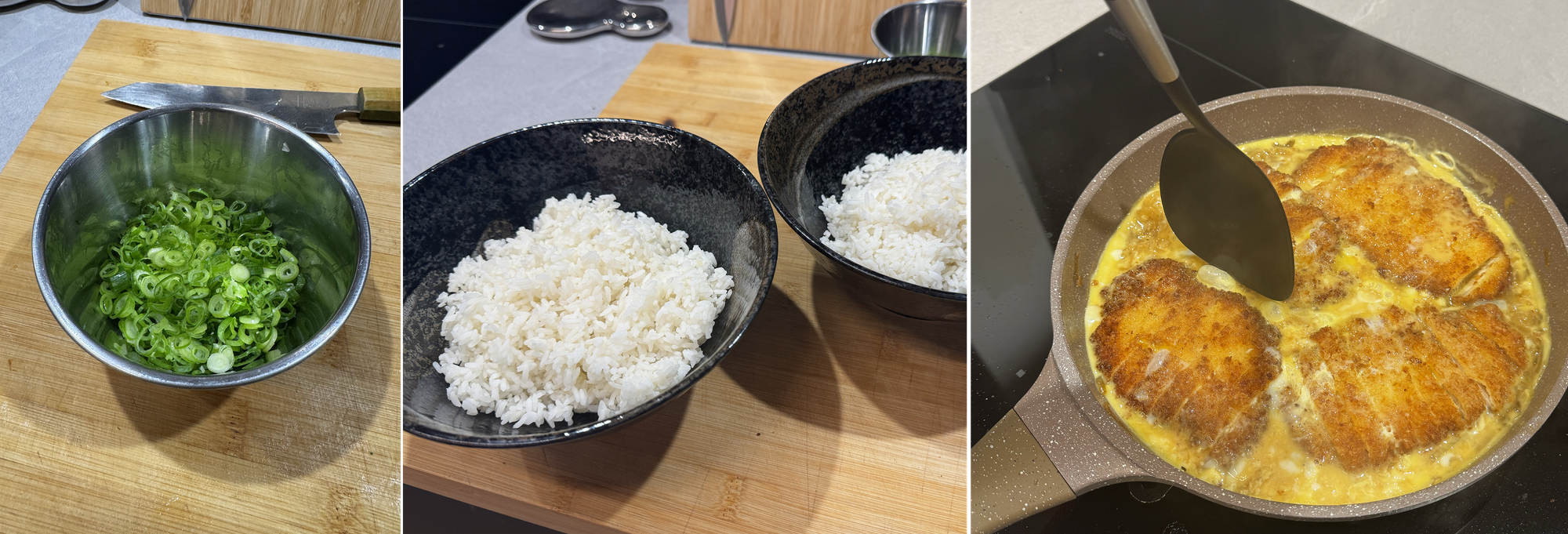
- Top with a generous sprinkle of sliced green onions and serve immediately while hot.